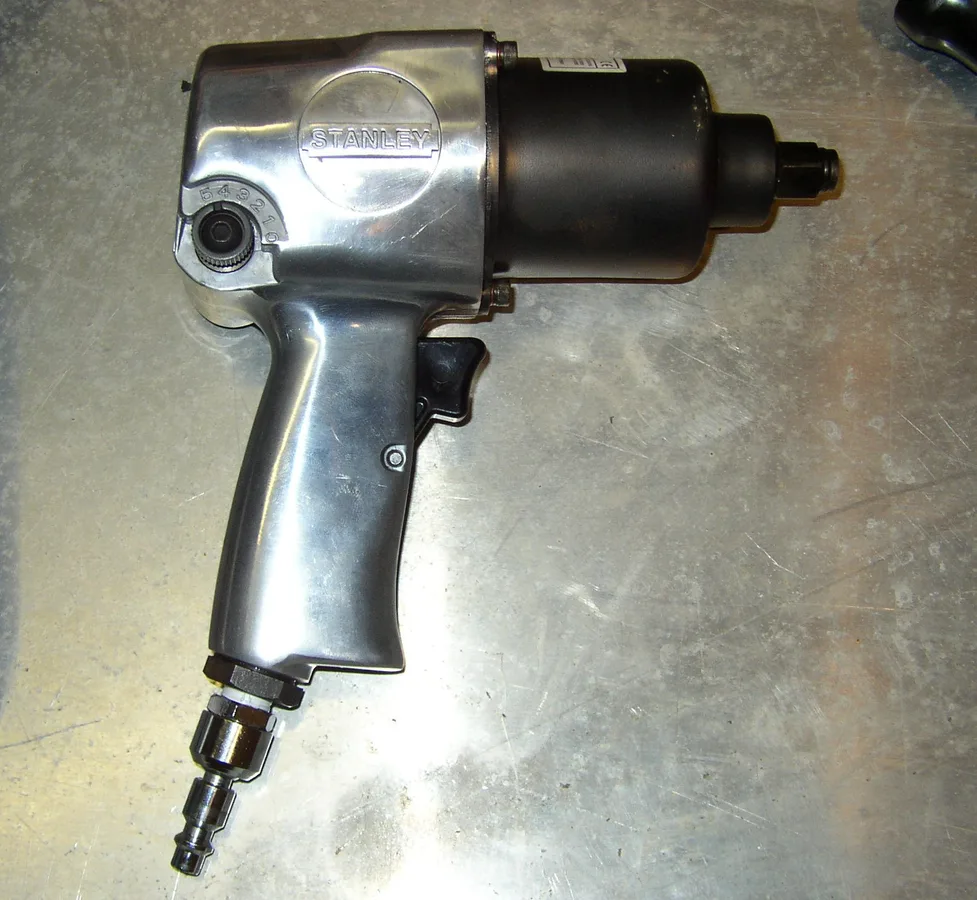
Match the wrench, socket and available space.
Square drive, retention, controls and supported power are more useful together than an isolated headline torque figure.
Define removal and tightening separately
Record the fastener specification, accessory and required procedure. Investigate the tool’s supported operation before selecting a torque class. For final tightening to a required value, plan the appropriate measuring tool and procedure as a separate requirement.
Keep the connection explicit
XWT14Z, DCF891B and DCF900B are 1/2 in square-drive examples. Their connection is distinct from the hex holder on an impact driver. Check the socket or adapter manufacturer’s intended use as well as the tool manual; a matching drive size alone does not establish that the whole assembly is suitable.
Use access and control to narrow the list
Consider the installed battery, socket and extension when checking clearance. Compare the documented retention and control features, then read how the modes operate. Control modes intended to help manage fastening do not measure the final fastener torque.
Compare the exact supported setup
An existing 20V MAX owner can research DCF891B and DCF900B without changing the battery family question; the catalog records both as tool-only packages. Check current manufacturer performance conditions before comparing torque claims. These examples do not establish which wrench suits a particular vehicle or that an unlisted specification is absent.